The Benefits of a Multilingual Webpage
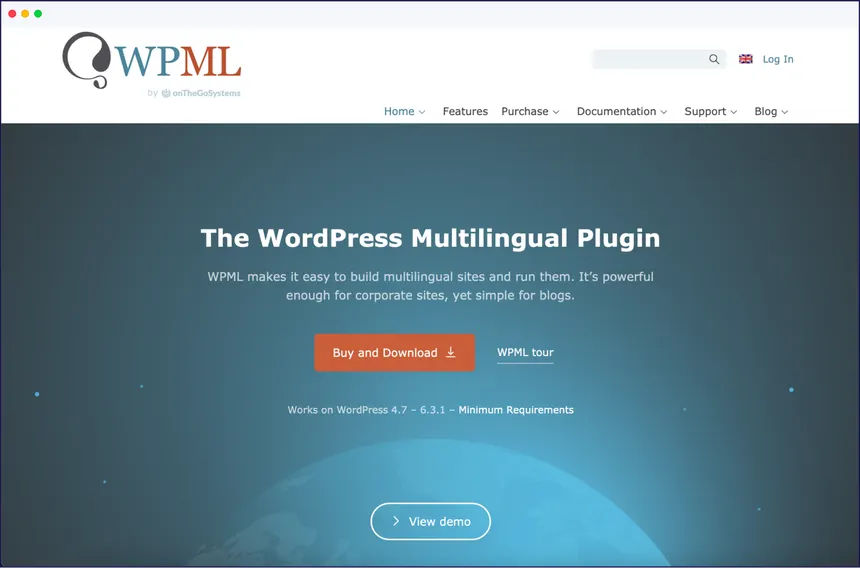
In today’s globalized digital economy, a website is rarely confined to a single geographic or linguistic audience. Businesses, organizations, and individuals now have the opportunity to reach users across continents with just a few clicks. One of the most powerful ways to expand that reach—and significantly improve user experience—is by creating a multilingual webpage.
A multilingual website is one that offers its content in multiple languages, allowing visitors from different linguistic backgrounds to interact with the site in their preferred language. While implementing such a system requires planning and investment, the long-term benefits are substantial and far-reaching.
Expanded Global Reach
One of the most obvious advantages of a multilingual website is the ability to reach a broader audience. English may dominate much of the internet, but a large portion of global users prefer browsing in their native language. By offering multiple language options, a website becomes accessible to millions—if not billions—of additional users.
For example, a business operating in Canada or the United States may find significant growth opportunities in regions like Latin America, Europe, or Asia simply by translating its content into Spanish, French, or Mandarin. This expansion is not just about visibility—it’s about relevance. Users are far more likely to engage with content they fully understand.
Improved User Experience
Language plays a critical role in how users perceive and interact with a website. When visitors land on a page written in their native language, they feel more comfortable, confident, and engaged. Navigation becomes easier, instructions clearer, and decision-making faster.
A multilingual webpage reduces friction in the user journey. Instead of struggling to interpret unfamiliar terms or relying on browser translation tools (which can be inaccurate), users receive content that is tailored to them. This leads to longer session durations, lower bounce rates, and a higher likelihood of return visits.
Increased Conversion Rates
Trust is a major factor in online decision-making, especially when it comes to purchases or service inquiries. When users can read product descriptions, policies, and calls-to-action in their own language, they are more likely to trust the website and complete a transaction.
Studies consistently show that consumers prefer to buy from websites in their native language—even if they understand another language reasonably well. A multilingual approach can therefore directly impact revenue by increasing conversion rates across different markets.
Stronger Brand Image and Credibility
Offering multiple language options signals professionalism, inclusivity, and global awareness. It shows that a brand values diversity and is willing to invest in serving a wide range of customers.
This can be particularly important for companies looking to establish themselves as international players. A multilingual website demonstrates that the organization is not limited to a single region or audience, enhancing its credibility and competitive positioning.
Competitive Advantage
Despite the growing importance of globalization, many websites still operate in only one language. This creates a significant opportunity for businesses that are willing to go the extra mile.
By providing multilingual content, a website can stand out from competitors who have not yet adopted this strategy. In crowded markets, this differentiation can be the deciding factor that attracts and retains users.
Better Search Engine Optimization (SEO)
Multilingual websites can significantly improve search engine visibility. By creating content in multiple languages, a site can rank for a wider range of search queries across different regions.
Search engines like Google index language-specific pages separately, meaning a well-optimized multilingual site can appear in search results in various countries. This increases organic traffic and reduces reliance on paid advertising.
Additionally, localized keywords—terms that users actually search for in their own language—can be incorporated into translated content, further boosting discoverability.
Cultural Adaptation and Localization
A multilingual website goes beyond simple translation; it allows for localization. Localization involves adapting content to reflect cultural nuances, preferences, and expectations.
This might include:
- Adjusting images and design elements
- Using culturally appropriate examples or references
- Modifying date formats, currencies, and units of measurement
Such adaptations make the website feel more “native” to each audience, fostering deeper connections and stronger engagement.
Accessibility
Providing content in multiple languages promotes cultural inclusivity by ensuring that language barriers do not exclude potential users. This is particularly important for public institutions, educational platforms, and global services.
A multilingual approach aligns with broader accessibility goals, making information available to people who might otherwise be underserved or overlooked.
Support for International Growth
For businesses planning to expand into new markets, a multilingual website is often a foundational requirement. It allows companies to test new regions, understand user behavior, and establish a presence before committing to physical expansion.
This digital-first approach reduces risk and provides valuable insights into international demand.
Enhanced Customer Support
Multilingual content can extend beyond the main website to include FAQs, help centers, and customer support resources. When users can find answers in their own language, they are less likely to require direct support, reducing operational costs.
At the same time, offering multilingual support channels can improve customer satisfaction and loyalty.
Challenges to Consider
While the benefits are significant, implementing a multilingual website does come with challenges:
- Translation quality: Poor translations can damage credibility.
- Maintenance: Updating content across multiple languages requires coordination.
- Technical setup: Proper URL structures and language tags are necessary for SEO.
However, with the right tools and strategy—such as professional translation services and content management systems—these challenges can be effectively managed.
A multilingual webpage is no longer a luxury—it is a strategic necessity in a connected world. By breaking down language barriers, websites can reach wider audiences, improve user experience, and drive meaningful growth.
Whether the goal is to expand internationally, enhance customer engagement, or simply stay competitive, investing in multilingual capabilities offers a clear and compelling return. In an environment where users expect personalization and accessibility, speaking their language is one of the most powerful ways to stand out.